April 17, 2026
Power outages can happen unexpectedly due to storms, grid failures, or other emergencies. When the electricity goes out, everyday conveniences quickly become difficult to manage. Refrigerators stop running, heating and cooling systems shut down, and lighting becomes limited. For many homeowners, installing backup power equipment provides peace of mind and helps maintain normal routines during an outage.
A generator can restore electricity to critical appliances and systems when the power grid fails. However, not every generator is designed to meet the same needs. Choosing the right whole house generator requires careful consideration of your home’s power requirements, available fuel options, installation space, and long-term reliability. Understanding the key factors involved can help you make a confident decision when selecting a generator for your property.
Understanding Your Home’s Power Needs
The first step in selecting the right backup system is determining how much electricity your household requires during an outage. Every home has different energy demands depending on the size of the property and the number of appliances in use. Major systems such as HVAC equipment, water heaters, refrigerators, and sump pumps often require significant power to operate.
When evaluating generator options, it is helpful to calculate the wattage needed to run essential appliances simultaneously. A whole house generator is designed to support most or all of the home’s electrical circuits, allowing daily activities to continue even when the grid is down. Understanding these energy requirements ensures the generator you choose can provide reliable performance during emergencies.
Choosing Between Portable and Standby Systems
Homeowners will encounter two primary categories of generators when researching backup power solutions. Portable generators are smaller units that can power select appliances but typically require manual setup and refueling. They are often used temporarily and may not provide enough capacity for larger households.
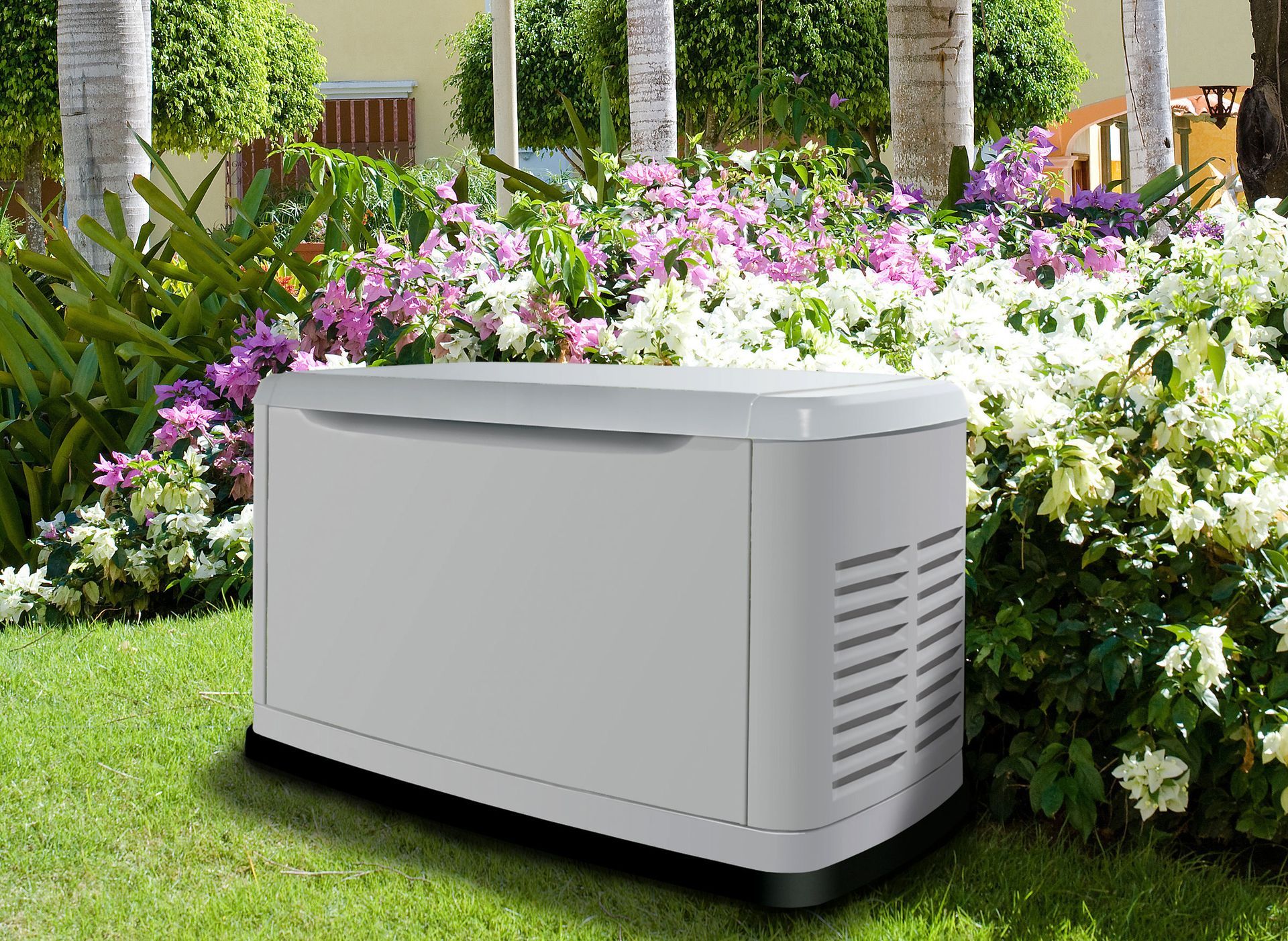
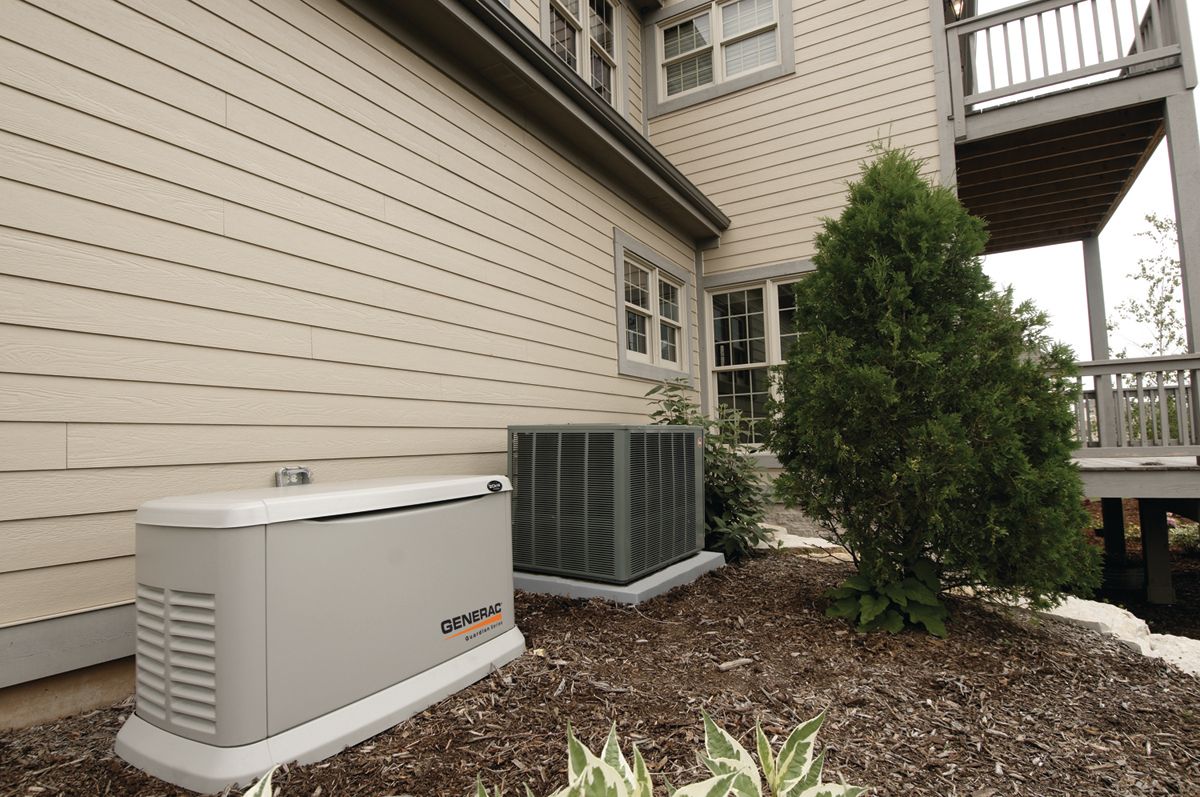
A standby whole house generator operates differently. These systems are permanently installed outside the home and connected directly to the electrical panel. When the power goes out, the generator activates automatically and begins supplying electricity within seconds. This automatic operation makes standby systems especially convenient for homeowners who want uninterrupted comfort and security.
Determining the Appropriate Generator Size
Generator capacity is measured in watts, and selecting the correct size is essential for reliable performance. A unit that is too small may struggle to power critical appliances, while an oversized generator may result in unnecessary installation and operating costs. Balancing capacity with household needs ensures efficient performance.
According to This Old House, for the average home, a 20,000 watt generator should be sufficient. A properly sized whole house generator can power essential systems such as refrigerators, heating equipment, lighting, and electronics without interruption. Consulting with experienced professionals can help ensure the generator you choose is capable of meeting your household’s specific electrical demands.
Considering Fuel Options for Reliability
Generators operate using different fuel sources, and each option offers its own advantages. Common fuel types include natural gas, propane, diesel, and gasoline. The best choice often depends on what is readily available in your area and how frequently the generator may need to run.
Many homeowners prefer natural gas or propane systems because they connect directly to existing fuel supplies. This allows a whole house generator to operate continuously without the need for manual refueling. Fuel availability plays an important role in ensuring that the generator remains dependable during extended outages.
Evaluating Automatic Transfer Switch Features
An automatic transfer switch is a critical component of any standby generator system. This device monitors the home’s electrical supply and activates the generator when a power outage occurs. Once utility power returns, the switch automatically transfers the electrical load back to the grid.
For homeowners installing a whole house generator, a reliable transfer switch provides seamless operation without requiring manual intervention. The ability to automatically restore electricity ensures that heating systems, refrigerators, and other essential appliances remain operational during unexpected outages.
Thinking About Noise Levels and Placement
Generator placement and noise levels are important considerations when planning an installation. While modern generators are quieter than older models, they still produce some operational sound when running. Positioning the unit properly can help reduce noise impact on your household and neighbors.
Most whole house generator systems are installed outdoors on a stable concrete or composite pad. Local building codes and manufacturer recommendations often specify minimum distances from windows, doors, and property lines. Selecting the right location helps ensure safe operation while minimizing sound disruption.
Reviewing Maintenance and Service Requirements
Like any mechanical system, generators require routine maintenance to operate reliably over time. Oil changes, filter replacements, and periodic inspections help keep the equipment functioning efficiently. Regular service also ensures the generator will start properly when it is needed most.
When selecting a whole house generator, homeowners should consider maintenance accessibility and long-term service options. Choosing equipment supported by professional technicians helps simplify ongoing maintenance while ensuring that repairs can be handled quickly if needed.
Preparing for Installation and Permitting
Installing a generator is more complex than simply placing a unit outside the home. Electrical connections, fuel line installation, and local permitting requirements must all be addressed before the system can be safely operated. Professional installation ensures that the generator integrates properly with your home’s electrical system.
Working with qualified technicians during the installation process helps guarantee that the whole house generator is configured according to local codes and manufacturer specifications. Proper installation protects both the equipment and the home while ensuring the system performs as expected during emergencies.
Planning for Long-Term Value and Protection
A backup generator is an investment in both safety and convenience. Power outages can disrupt daily life and potentially damage sensitive appliances or electronics. With a reliable generator in place, homeowners can maintain lighting, heating, refrigeration, and communication systems even during extended outages.
Installing a whole house generator can also contribute to long-term property value. Buyers often appreciate homes equipped with dependable backup power systems, especially in regions where storms and outages occur frequently. This added reliability provides reassurance that the property is prepared for unexpected disruptions.
Comparing Smart Monitoring and Control Features
Modern generator systems increasingly include smart monitoring capabilities that allow homeowners to track performance and receive alerts through mobile devices. These systems can notify you when the generator performs a self-test, when maintenance is required, or when the unit activates during a power outage. Having real-time visibility into system performance helps ensure your backup power solution is always ready when you need it.
Many homeowners find that a whole house generator with smart monitoring technology adds another layer of convenience and reliability. Being able to check system status remotely provides reassurance, especially during severe weather events or while traveling. Advanced monitoring features also help technicians diagnose potential issues early, making maintenance more efficient and helping ensure the generator continues operating smoothly over time.
Choosing the right generator involves more than simply selecting a model with sufficient wattage. Homeowners must evaluate power needs, fuel options, system features, and installation requirements to ensure the generator provides dependable performance when it is needed most. By carefully considering these factors, it becomes easier to select equipment that supports your household’s safety and comfort.
At RCS & Company Inc, we help homeowners find dependable power solutions designed to protect their homes during unexpected outages. Our team understands how important reliable electricity is for everyday living. If you are considering installing a whole house generator, contact RCS & Company Inc today to discuss your options and learn how the right system can keep your home running smoothly when the power goes out.